
Gentle Dentistry Strategies to Overcome Dental Anxiety with Compassionate Care
- Fahim Mohi
- 2 days ago
- 4 min read

Dental anxiety affects millions of people worldwide, often preventing them from seeking the care they need. The fear of pain, discomfort, or loss of control can make even routine dental visits feel overwhelming. Fortunately, gentle dentistry offers effective ways to help patients feel calm and safe during their appointments. This post explores how sedation options, a soothing office environment, and a compassionate dental team work together to ease anxiety and create a positive dental experience.
Understanding Dental Anxiety and Its Impact
Dental anxiety is more than just nervousness. It can cause physical symptoms like increased heart rate, sweating, and nausea. For some, it leads to avoidance of dental care, which can worsen oral health problems over time. Recognizing this, gentle dentistry focuses on reducing fear and building trust.
Patients often worry about pain, loss of control, or embarrassment. These concerns can be addressed through clear communication, personalized care, and techniques that promote relaxation. By understanding the root of anxiety, dental professionals can tailor their approach to each patient’s needs.
Sedation Options That Help Patients Relax
One of the most effective ways to ease dental anxiety is through sedation. Sedation dentistry uses medications to help patients feel calm or even sleepy during procedures. Two common options are nitrous oxide and oral sedation.
Nitrous Oxide (Laughing Gas)
Nitrous oxide is a safe, fast-acting gas inhaled through a small mask. It helps patients feel relaxed and less aware of discomfort. The effects wear off quickly after the mask is removed, allowing patients to drive themselves home. Nitrous oxide is ideal for mild to moderate anxiety and shorter procedures.
Oral Sedation
Oral sedation involves taking a prescribed pill before the appointment. It helps patients feel drowsy and calm but remain conscious. This option suits those with moderate anxiety or longer treatments. Because the sedative lasts several hours, patients should arrange for someone to drive them home.
Both sedation methods are carefully monitored by the dental team to ensure safety. Patients can discuss their medical history and preferences to choose the best option.
Creating a Calming Office Environment
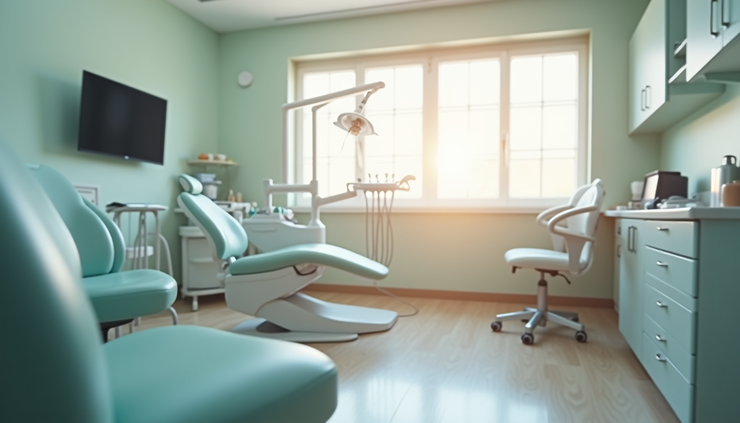
The physical setting of a dental office plays a big role in reducing anxiety. Gentle dentistry practices design their spaces to feel welcoming and peaceful. Here are some ways offices create a calming atmosphere:
Soft lighting to avoid harsh glare
Comfortable seating in waiting and treatment areas
Soothing colors like blues and greens on walls and decor
Quiet background music or nature sounds
Minimal clinical smells by using air purifiers and scented diffusers
Distraction tools such as TVs or virtual reality headsets during procedures
These elements help patients feel more at ease from the moment they walk in. A calming environment signals that the practice understands and respects patient comfort.
The Role of Compassionate Care in Gentle Dentistry
Beyond sedation and environment, the dental team’s attitude makes a huge difference. Compassionate care means listening carefully, explaining each step, and responding to patient concerns with kindness.
Building Trust Through Communication
Dentists and staff take time to answer questions and explain treatments in simple terms. They encourage patients to share their fears and preferences. This open dialogue helps patients feel heard and involved in their care.
Personalized Approaches for Nervous Patients
Gentle dentistry adapts to each patient’s unique needs. For example:
Allowing breaks during procedures
Using hand signals to pause treatment
Offering blankets or stress balls
Scheduling appointments at less busy times
These small adjustments show respect for patient comfort and control.
Training in Anxiety Management
Many dental teams receive special training to recognize anxiety signs and respond effectively. They use calming techniques such as guided breathing or positive reinforcement to support patients throughout their visit.
Real-Life Examples of Gentle Dentistry in Action
Consider a patient named Sarah who avoided the dentist for years due to fear. When she finally sought care, the dental team recommended nitrous oxide sedation and scheduled her appointment in a quiet afternoon slot. The staff explained every step and allowed her to signal if she needed a break. Sarah left feeling relieved and confident to continue her treatment.
Another patient, Mark, preferred oral sedation for a longer procedure. The dentist discussed the medication and arranged for a family member to drive him home. Mark appreciated the gentle approach and the team’s patience, which helped him overcome his anxiety.
These stories show how combining sedation, environment, and compassionate care creates positive experiences.
Tips for Patients to Manage Dental Anxiety
Patients can also take steps to ease their anxiety before and during visits:
Share fears openly with the dental team
Practice deep breathing or meditation before appointments
Bring a friend or family member for support
Listen to calming music on the way to the office
Schedule shorter, more frequent visits to build comfort
Working together with the dental team makes it easier to face fears and maintain oral health.
Moving Forward with Gentle Dentistry
Dental anxiety should not stand in the way of a healthy smile. Gentle dentistry offers practical solutions that respect patient feelings and promote relaxation. Sedation options like nitrous oxide and oral sedation provide safe ways to reduce fear. A calming office environment and a compassionate team build trust and comfort.
If you or a loved one struggles with dental anxiety, consider seeking a gentle dentistry practice. Taking the first step can lead to better oral health and a more positive relationship with dental care. Remember, your comfort matters, and help is available to make every visit easier.



Comments